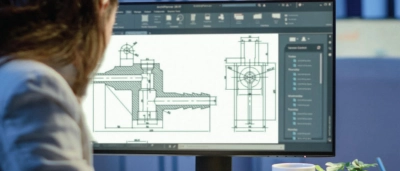
At Dotmar, we specialise in stereolithography SLA printing, producing high-resolution engineering plastic prototypes and parts with smooth surfaces and fine feature detail
SLA is ideal when accuracy matters. If you’re developing a prototype, validating a design, or producing low-volume components, SLA printing allows you to achieve complex geometries and tight tolerances.
Understanding Stereolithography (SLA) Technology
Stereolithography (SLA) is a 3D printing process that uses a UV laser to cure liquid photopolymer resin, layer by layer, into a solid part. The result is a component with exceptional surface finish and fine detail. SLA delivers high accuracy and smooth surfaces, making it ideal for visual prototypes and precision components Compared to other technologies:
SLA’s strength is in its ability to produce intricate designs with clarity and consistency. However, parts may require post-curing and are generally less impact-resistant than SLS components. | 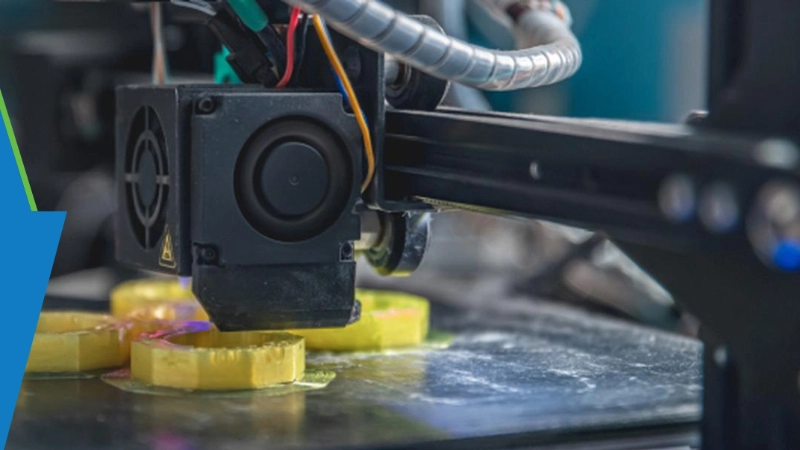 |
Dotmar's State-of-the-Art SLA Printers
Dotmar invests in advanced SLA printing systems to ensure precision and reliability across every build. Our stereolithography SLA printers are designed to produce highly detailed components with excellent surface quality.
Our SLA printing capabilities include:
- Fine layer thickness for high-resolution output
- Precise laser spot control for detailed features
- Stable build environments for consistent results
This level of control allows us to deliver parts with sharp detail, tight tolerances, and minimal finishing requirements
Material Selection and Properties
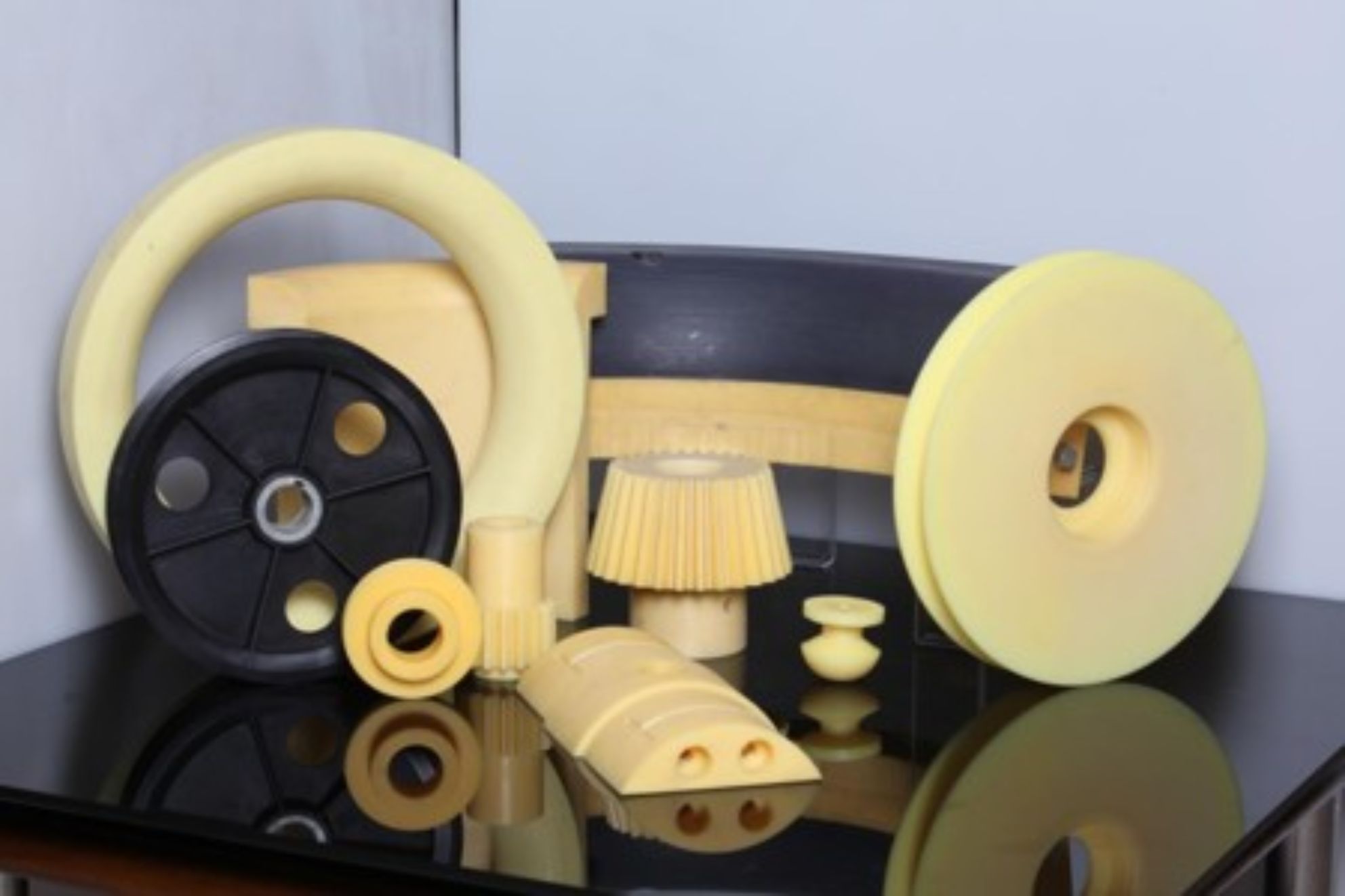 | Dotmar works with a range of standard and specialty resins designed to replicate the properties of engineering plastics such as nylon, polypropylene, and ABS. This allows you to validate designs using materials that closely reflect real-world behaviour, before moving into machining or production-grade plastics. We have qualified engineers to provide direct support in selecting SLA resins that simulate engineered plastics material for prototyping, including conducting calculations for the thicknesses required for your application. |
Design Optimisation for SLA Printing
Dotmar isn’t just your 3D printing provider; we’re your material and manufacturing partner.
Getting the best result from SLA starts with design, so our Dotmar engineers work with you to refine geometry and ensure your part is optimised for the SLA printing process.
Using advanced design software, we analyse and prepare files to reduce distortion, improve surface quality, and ensure consistent results.
Post-Processing and Finishing Options
SLA printed parts are known for their smooth finish, but post-processing plays an important role in achieving final quality.
At Dotmar, we offer:
- Support removal and surface refinement
- Sanding and polishing for enhanced finish
- Priming and painting for presentation-ready parts
- Assembly and packaging for complete, ready-to-use solutions
Each SLA printed component is finished with care to ensure it meets both visual and functional requirements.
Applications
Where detail, accuracy, and presentation matter, SLA printing is the preferred choice. Common applications include:
- Functional prototypes for product development
- Detailed models for architecture and design
- Medical components and anatomical models
- Low-volume production of precision parts
For businesses needing high-detail prototypes or visual validation, SLA provides a reliable and efficient solution.
Why Choose Dotmar for SLA Printing?
At Dotmar, we combine our technical expertise with advanced stereolithography SLA printer capability to deliver consistent, high-quality results.
We offer:
- High-precision SLA printing with smooth finishes
- Strong understanding of engineering plastics and materials
- Design optimisation support from concept to production
- Full post-processing for ready-to-use parts
Our focus is on delivering precision parts that perform as expected.
SLA Printing FAQ
1. What is stereolithography SLA Printing?
A 3D printing process that uses a UV laser to cure liquid resin into solid parts, layer by layer.
2. What are the benefits of stereolithography SLA printing?
High accuracy, smooth surface finishes, and the ability to produce complex geometries.
3. What are the limitations of stereolithography SLA printing?
Parts may be less impact-resistant than SLS printing and require post-curing.
4. Why choose stereolithography SLA 3D printing?
It’s ideal for detailed prototypes, visual models, and precision components.
5. What role does material selection play in stereolithography printing?
Material determines strength, flexibility, and thermal performance, making it critical to part success.
6. How long does a stereolithography project usually take?
Lead times vary, but many parts can be produced within days, depending on complexity.
7. MSLA vs SLA: What is the difference?
Both use photopolymer resins, but SLA printing uses a laser for precision curing, while MSLA uses a masked light source, often trading some accuracy for speed.
Get Started with Dotmar’s SLA Printing Service
If you need high-precision prototypes or detailed components, our stereolithography SLA printer service is ready to support your project.
Contact our team today to discuss your requirements or request a quote. Our expert technicians can help you move from concept to finished part with confidence.